Patient safety is an absolute priority in every medical transport. Whether we're talking about a short trip to the hospital or a long-distance international transport, all procedures and standards aim to ensure maximum safety and continuity of medical care.
Ambulance Equipment Standards
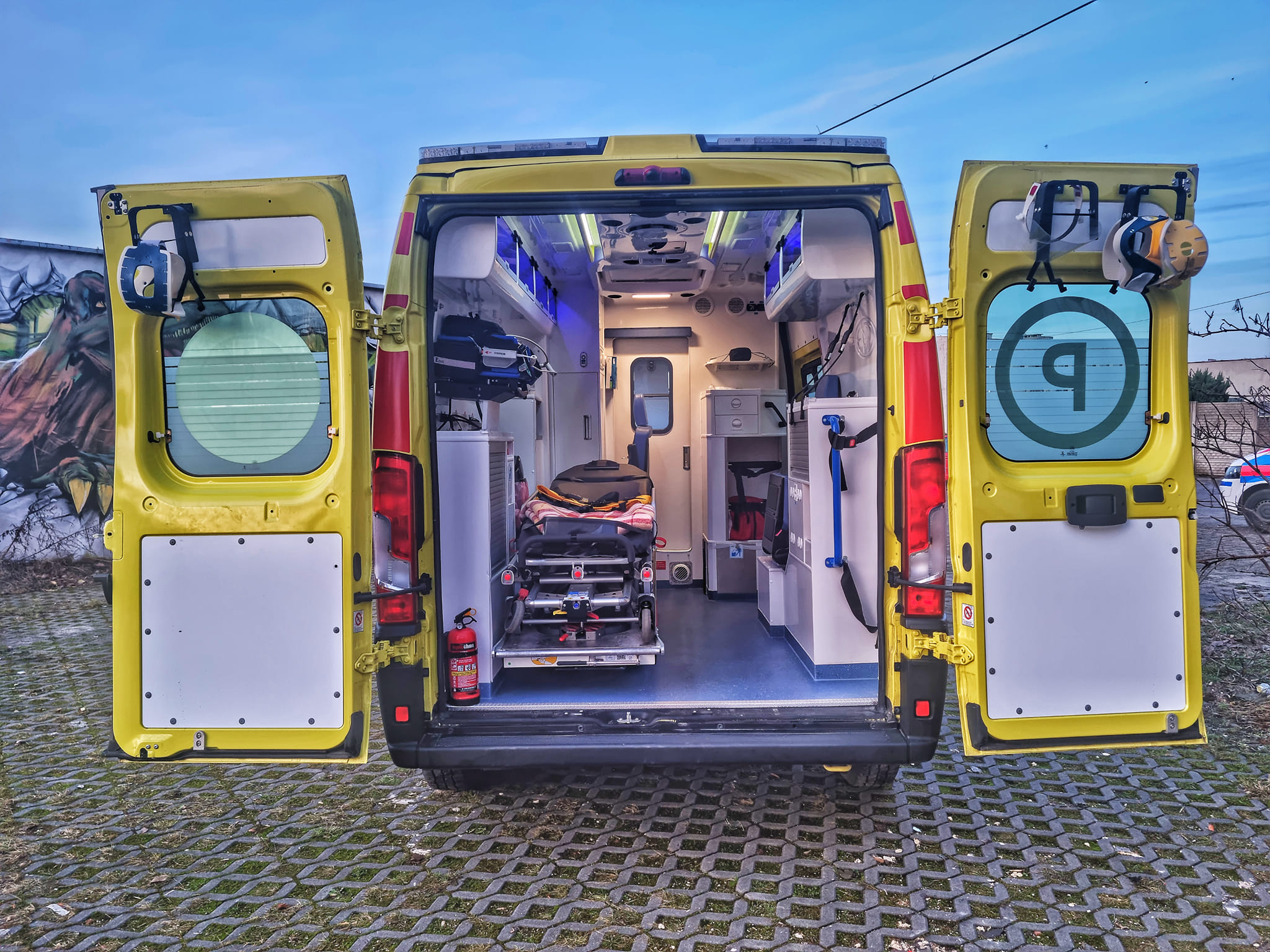
Professional medical transport requires appropriate equipment that allows monitoring of the patient's condition and providing medical care during transport. Basic equipment should include:
- Vital signs monitoring: ECG, blood pressure, oxygen saturation, temperature
- Ventilator and ventilation equipment: for patients requiring respiratory support
- Defibrillator: automated external defibrillator (AED)
- Emergency medications: full set of medications according to medical guidelines
- Resuscitation equipment: self-inflating bags, intubation tubes
- Stabilization: orthopedic boards, cervical collars, splints
Telemedicine in Transport
Modern ambulances are equipped with telemedicine systems that enable real-time transmission of medical data to the destination facility. This allows doctors at the hospital to monitor the patient's condition during transport and prepare appropriate procedures before arrival.
Medical Personnel Requirements
Safe medical transport requires appropriately qualified personnel. A standard team should consist of:
- Specialist doctor – in case of high-risk or specialized transports
- Paramedic or nurse – with experience in medical transport
- Ambulance driver – trained in safe driving techniques in emergency situations
Safety Procedures
Every medical transport should be preceded by a detailed assessment of the patient's condition and preparation of a transport plan. Key elements of safety procedures include:
- Verification of patient stability before starting transport
- Preparation of appropriate equipment and medications based on medical documentation
- Determining route and transport time considering road conditions
- Coordination with the destination facility before departure
- Continuous monitoring of patient condition during transport
- Documentation of all events and medical parameters
Physical and Technical Safety
In addition to medical care, ensuring the patient's physical safety during transport is equally important. Ambulances must meet rigorous technical standards, including:
- Stable mounting of stretchers and medical equipment
- Safety systems preventing patient movement
- Appropriate lighting and ventilation
- Backup power sources for medical equipment
- Communication systems with coordination center
Best Practices
At MarMed, we apply the highest safety standards, including regular staff training, technical inspections of vehicles, and continuous improvement of procedures. Each transport is planned individually, taking into account the specifics of the patient's condition and medical requirements.
If you need safe medical transport, contact us at +48 502 509 636. We provide full medical care and the highest safety standards during every transport.